Protein Rich Healthy Cooking Guide
Master the art of preparing nutrient-dense meals packed with high-quality protein sources. Discover techniques, recipes, and insights from our community of health-conscious cooks.
The information on this site is for educational purposes only and does not constitute medical advice. Always consult a qualified healthcare professional before making health decisions.
Why This Guide Matters
Understanding protein and how to cook it properly transforms your meals from ordinary to extraordinary. Learn the evidence-based approaches that support your wellness goals.
Plant-Based Protein Mastery
Learn how to combine legumes, nuts, seeds, and whole grains to create complete protein profiles. Our guides show you which combinations maximize nutritional benefit and flavor in every dish you prepare.
Cooking Techniques That Preserve Nutrients
Discover methods like steaming, poaching, and slow-cooking that maintain protein integrity and micronutrient content. We explain why temperature control and timing matter for every protein source.
Versatile Recipe Collections
From quick weeknight dinners to elaborate meal-prep strategies, our recipe library covers breakfast, lunch, dinner, and snacks. Each recipe includes macro breakdowns so you understand nutritional composition.
Ingredient Knowledge & Sourcing
Understand quality markers for fish, poultry, eggs, legumes, and plant proteins. Learn where to find fresh, local ingredients in Indonesia and how to assess freshness and quality before cooking.
Science-Based Cooking Insights
Explore the biochemistry behind protein denaturation, amino acid profiles, and how cooking methods affect digestibility. Understand the "why" behind every technique, not just the "how."
Community-Driven Content
Share experiences, variations, and cooking wins with readers across Indonesia. Learn from real kitchens and real experiences as our community continuously expands the collection of tested, trusted recipes.
Protein Source Breakdown
Each protein source brings unique amino acid profiles, cooking requirements, and flavor characteristics. This guide helps you choose based on availability, preference, and nutritional goals.
Animal-Based Proteins
Fish & Seafood
High bioavailability, omega-3 fatty acids, quick cooking times. Best prepared grilled, steamed, or poached to preserve delicate flesh.
Poultry
Lean protein, versatile, affordable in local markets. Requires proper cooking temperature to ensure safety while maintaining moisture.
Eggs
Complete amino acid profile, incredibly versatile. Can be prepared countless ways, each method affecting nutrient absorption differently.
Red Meat
Rich in iron and B vitamins, requires longer cooking times. Proper marinating and cooking temperature affect both flavor and texture.
Plant-Based Proteins
Legumes
Beans, lentils, peas provide fiber and complex carbs. Soaking and cooking methods affect digestibility and cooking time significantly.
Nuts & Seeds
Dense nutrition, healthy fats, mineral-rich. Soaking and roasting improve bioavailability and flavor profiles in recipes.
Whole Grains
Quinoa, amaranth, and other grains offer incomplete but complementary amino acids. Cooking methods enhance digestibility and nutrient release.
Tofu & Tempeh
Fermented soy provides complete amino acids. Texture and absorption improve with proper pressing, marinating, and cooking techniques.
Your 5-Step Cooking Methodology
A systematic approach to protein cooking that ensures consistent results, maximum nutrition, and outstanding flavor every time you step into the kitchen.
Selection & Assessment
Choose your protein source based on availability, freshness, and nutritional goals. Inspect for quality indicators—color, texture, smell—and understand whether the ingredient requires special preparation like soaking, marinating, or trimming.
Example: When selecting fish, look for firm flesh, bright eyes, and mild ocean smell. Fresh poultry should have no discoloration.
Preparation & Seasoning
Clean, trim, and cut your protein into uniform sizes for even cooking. Apply dry rubs, marinades, or brines that complement the ingredient's natural flavor while enhancing texture. Timing matters—some marinades work best overnight, others just minutes before cooking.
Example: Marinate chicken thighs for 2-4 hours, but delicate fish fillets only 15-30 minutes to avoid over-curing.
Method Selection
Choose your cooking method based on the protein type and desired outcome. Dry-heat methods (grilling, roasting) create browning and flavor. Moist-heat methods (steaming, poaching, braising) preserve tenderness and nutrients. Combination methods offer the best of both worlds.
Example: Lean cuts benefit from quick, high-heat cooking. Tougher cuts improve with slow, moist cooking that breaks down connective tissue.
Cooking & Temperature Control
Monitor internal temperature carefully. Protein cooks from the outside in, and residual heat continues cooking after you remove it from heat. Understanding carryover cooking prevents overcooking. Use a meat thermometer, visual cues, and timing to judge doneness accurately.
Example: Chicken reaches safe temperature at 165°F (74°C). Fish is done when it flakes easily. Legumes are tender when you can mash them easily.
Resting & Final Preparation
Allow cooked proteins to rest before serving. This allows juices to redistribute, improving texture and moisture retention. Proper plating with complementary vegetables and grains creates a complete, balanced meal that looks appetizing and tastes exceptional.
Example: Let a grilled chicken breast rest 5 minutes before slicing. Let a roasted fish rest 2-3 minutes for optimal texture.
Featured Protein Recipes
Browse our collection of tested, community-reviewed recipes that showcase different cooking techniques, protein sources, and flavor profiles from across Indonesian cuisine and international traditions.
Grilled Marinated Fish with Herbs
Fresh local fish seasoned with turmeric, lime, and galangal. Learn the technique for achieving crispy skin and moist interior while preserving omega-3 benefits.
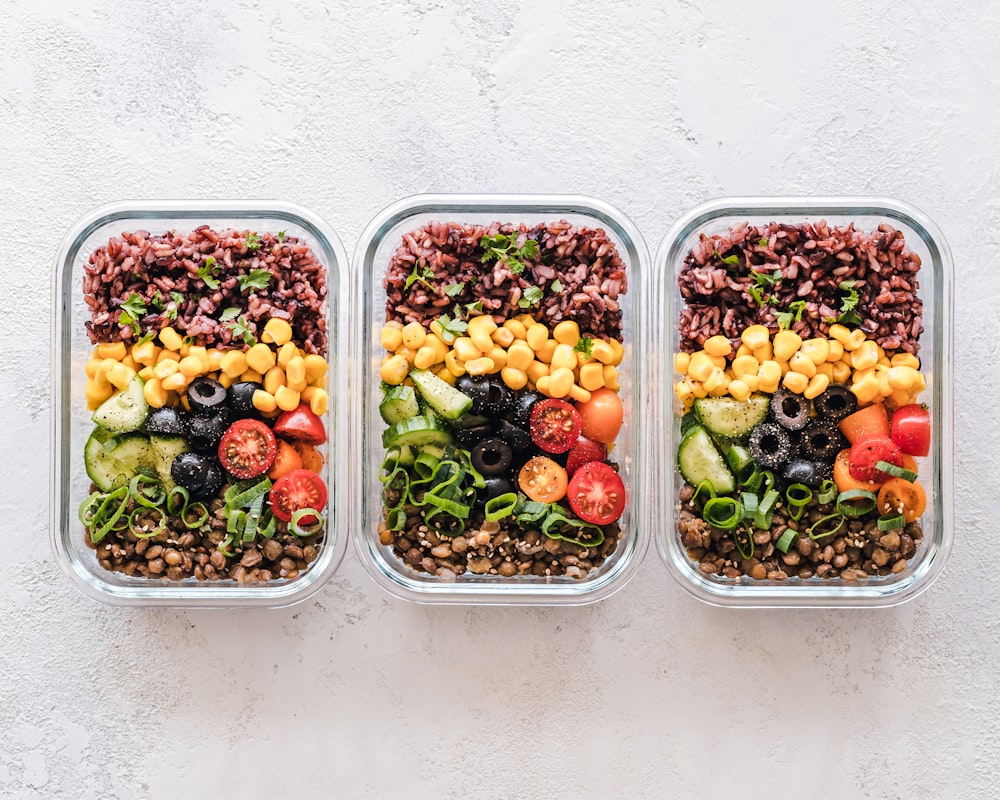
Lentil & Vegetable Curry
Protein-rich red lentils combined with coconut milk and aromatic spices. Discover how proper cooking times enhance digestibility and flavor development in plant-based meals.
Slow-Cooked Chicken Stew
Tender chicken thighs braised with seasonal vegetables and aromatic broth. Learn why slow cooking breaks down collagen and creates silky texture while maximizing nutrient extraction.
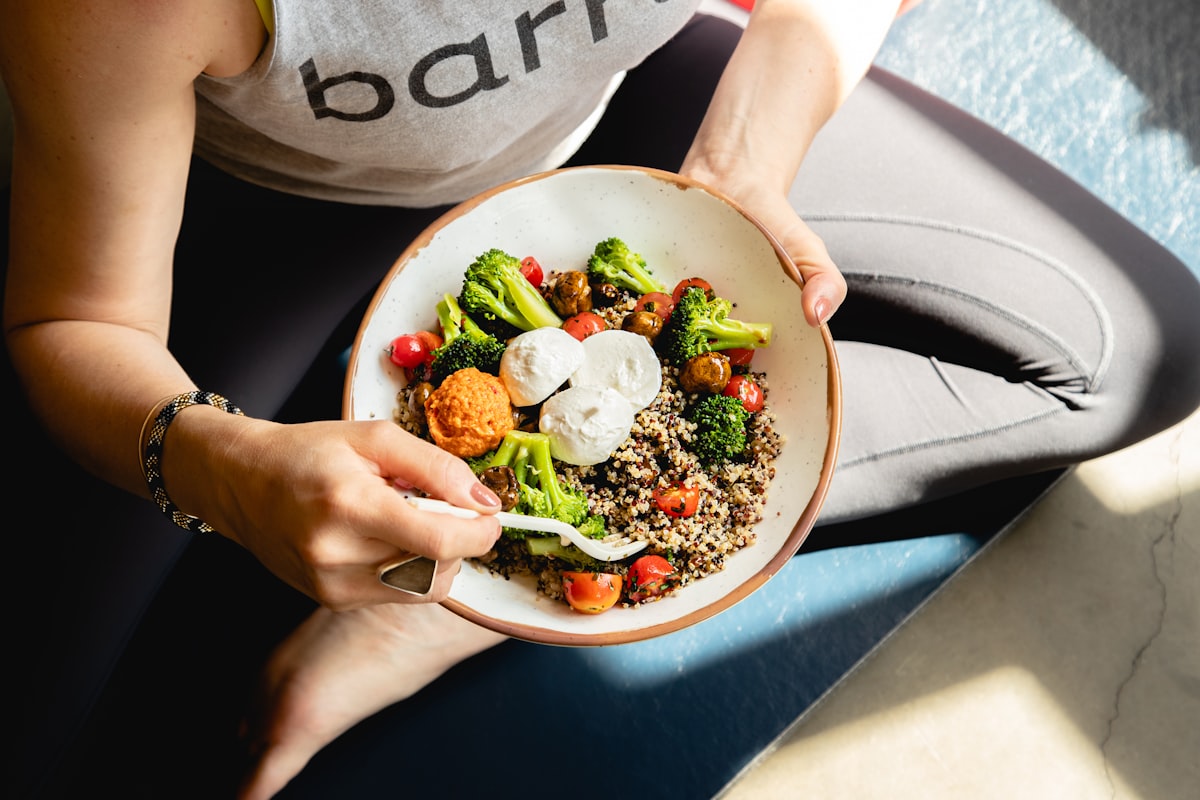
Tofu Stir-Fry with Greens
Crispy-edged tofu tossed with nutrient-dense leafy greens and sesame oil. Master the pressing technique that transforms soft tofu into a satisfying, protein-rich main course.
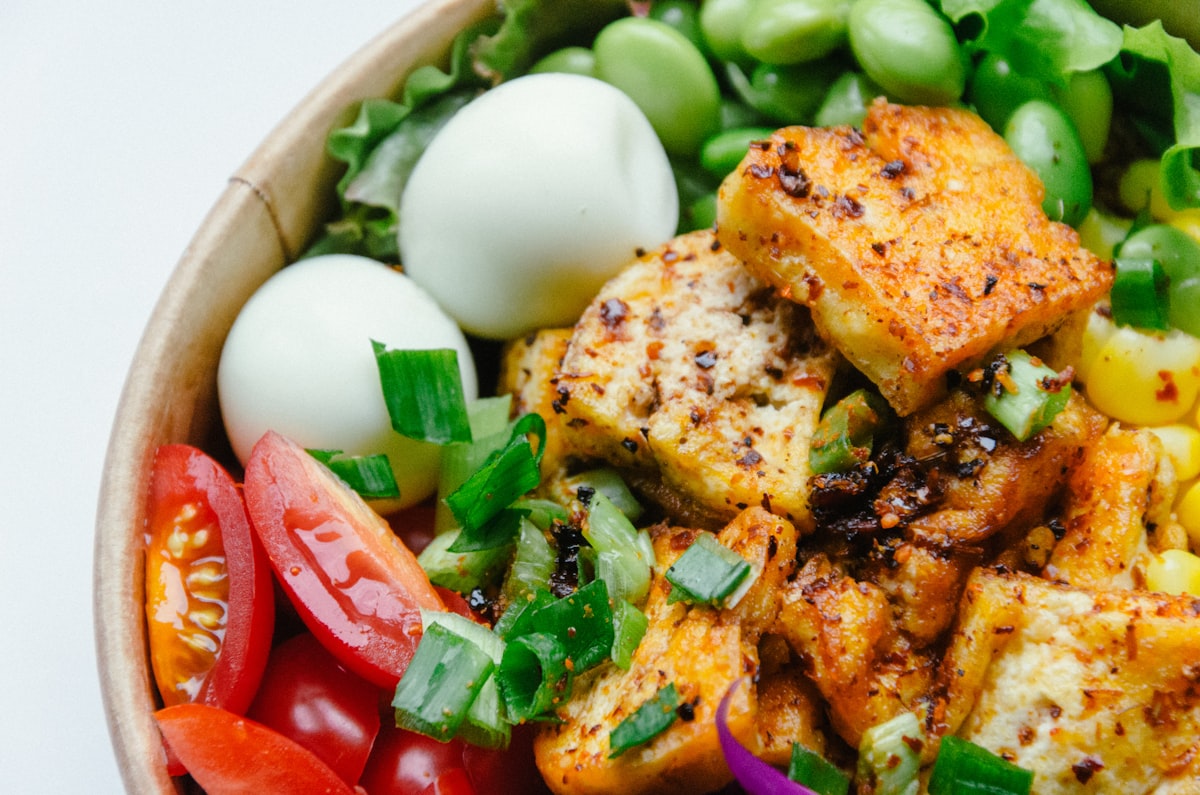
Baked Tempeh with Quinoa
Fermented tempeh combined with complete-protein quinoa and roasted vegetables. Explore how fermentation improves digestibility and amino acid profile completeness.
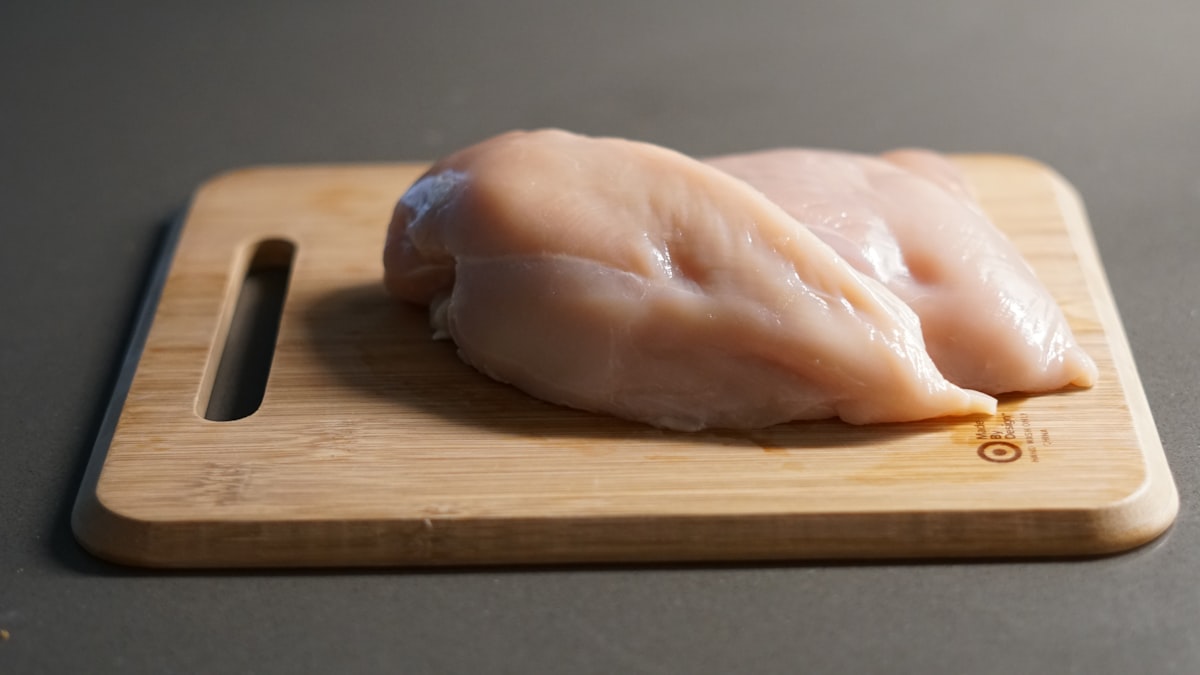
Egg-Based Shakshuka
Poached eggs in spiced tomato sauce—a protein-rich breakfast that delivers complete amino acids. Learn low-temperature poaching for perfect yolk consistency.
Cooking Questions Answered
Get clear, evidence-based answers to the most common questions about protein cooking, ingredient selection, technique, and meal planning.
How long should I marinate proteins?
Marinating time depends on protein type and acid strength. Delicate fish needs only 15-30 minutes to avoid over-curing. Chicken works well with 2-4 hours. Tougher cuts like beef benefit from 8-24 hours. The acid denatures surface proteins, creating tenderness, but over-marinating makes texture mushy.
What's the best way to know when protein is done cooking?
Use a meat thermometer for accuracy. Fish: 145°F (63°C). Chicken: 165°F (74°C). Beef: 130°F (54°C) for medium-rare. Legumes: easily mashed between your fingers. Visual cues matter too—look for opaque color and check firmness with touch. Remember carryover cooking raises temperature 5-10°F after removing from heat.
How do I improve the digestibility of legumes?
Soak legumes 8-24 hours before cooking. This reduces antinutrients and phytic acid, improving mineral bioavailability. Add kombu seaweed during cooking—minerals in seaweed further improve digestion. Long, slow cooking breaks down oligosaccharides responsible for gas. Sprouting legumes before cooking offers even greater digestibility improvements.
Why do proteins change color during cooking?
Proteins denature (unfold) from heat, changing how they reflect light. Raw protein is translucent; cooked protein becomes opaque. Myoglobin in meat changes from red to brown as heat denatures it. This color change indicates protein structure transformation, not necessarily doneness. Use temperature and texture as primary guides.
Can I freeze cooked proteins without losing nutrition?
Freezing preserves most nutrients extremely well. Proper storage maintains quality for months. However, texture can become slightly firm, and some moisture may be lost. Cool proteins completely before freezing. Use freezer containers or bags, removing excess air. Thaw slowly in refrigeration rather than at room temperature for best results.
How can I balance protein with other nutrients in my meals?
Include protein (quarter to third of your plate), whole grains or starchy vegetables (quarter to third), and non-starchy vegetables (remaining half). This ratio provides complete nutrition. Combine plant proteins with grains for complete amino acids. Include healthy fats through oils, nuts, or seeds to enhance nutrient absorption.
What Our Community Says
"Freshingredientsmatter transformed how I approach cooking. I've never felt more energized, and my family loves the meals!"
Sarah Mitchell
Home Cook, Portland, OR
"The meal guides are incredibly practical. I save money, eat better, and spend less time planning. Highly recommend!"
Marcus Johnson
Busy Professional, Austin, TX
"Finally understanding nutrition science in simple terms. My kids are eating vegetables without complaining!"
Elena Rodriguez
Parent & Educator, Miami, FL
Start Your Fresh Ingredients Journey Today
Join thousands who've discovered the power of fresh, nutritious meals. Get personalized guides, recipes, and nutrition tips delivered to your inbox.
✓ No spam. Unsubscribe anytime. Fresh tips delivered weekly.
Frequently Asked Questions
How do I know if an ingredient is truly fresh?
Look for vibrant colors, firm texture, and a pleasant aroma. Check expiration dates and buy from reputable sources. Farmers markets and local suppliers often guarantee freshness. Trust your senses—if it smells off or feels mushy, it's not fresh.
Is buying fresh ingredients more expensive?
Not necessarily. Buying seasonal produce, shopping at discount grocers, and meal planning reduce costs. Fresh ingredients often mean less waste and better portion control, offsetting higher per-item prices. Long-term health benefits far outweigh short-term expenses.
How should I store fresh ingredients properly?
Vegetables generally belong in the crisper drawer at cool temperatures. Keep herbs in water like flowers. Fruits should be at room temperature until ripe, then refrigerated. Proteins should be on the coldest shelf. Proper storage extends freshness by days or weeks.
Can I meal prep with fresh ingredients?
Yes! Prep vegetables, cook grains, and portion proteins in advance. Store in airtight containers for 3-4 days. Assemble meals fresh when needed to maintain texture and flavor. This maximizes freshness while saving time during busy weeks.
What if I can't access fresh ingredients in my area?
Frozen vegetables and fruits are flash-frozen at peak freshness, retaining nutrients. Buy from online suppliers or specialty stores. Community gardens and CSA boxes often deliver fresh produce locally. Canned vegetables (low-sodium) are also nutritious alternatives.
Freshingredientsmatter
Empowering communities through fresh, nutritious eating and sustainable food choices.
Resources
© 2024 Freshingredientsmatter. All rights reserved.